
Theater Changes, When You Cross the Border
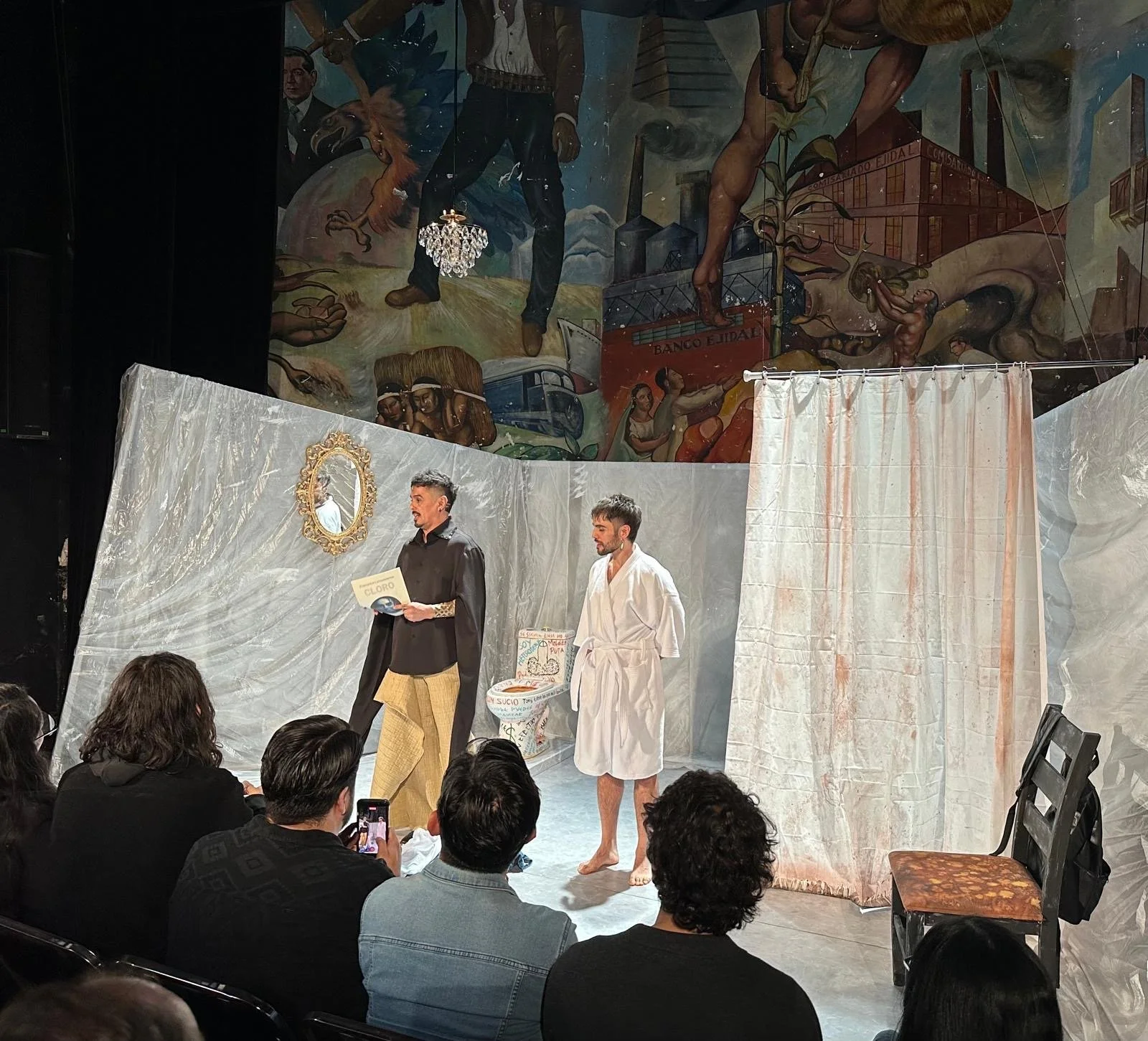
CLORO, directed by Héctor Zavala, presented by Sistema de Teatros de la Ciudad de México, 2026
What Mexico Taught Me about American Theater—and What America Taught Me about Mexican Theater
I had to leave Mexican theater to understand some of what it gave me, and I had to return to Mexico to understand some of what American theater had taught me.
For most of my life, I have been crossing a border—sometimes literally, sometimes artistically, and sometimes without realizing I was crossing one at all. I began making theater in Mexicali in the 1990s. Years later, I continued developing professionally in the United States, particularly in the San Francisco Bay Area. Somewhere along the way, I became an actor, teacher, director, designer, technical director, production manager, and producer. That list has occasionally confused people, but for me, it never seemed particularly unusual.
Mexico taught me very early that when something needed to happen, you figured out how to make it happen. Sometimes you had training. Sometimes you had money. Sometimes you had neither. You still made the show.
An Abandoned House, Zero Budget, and a Story That Became a Legend
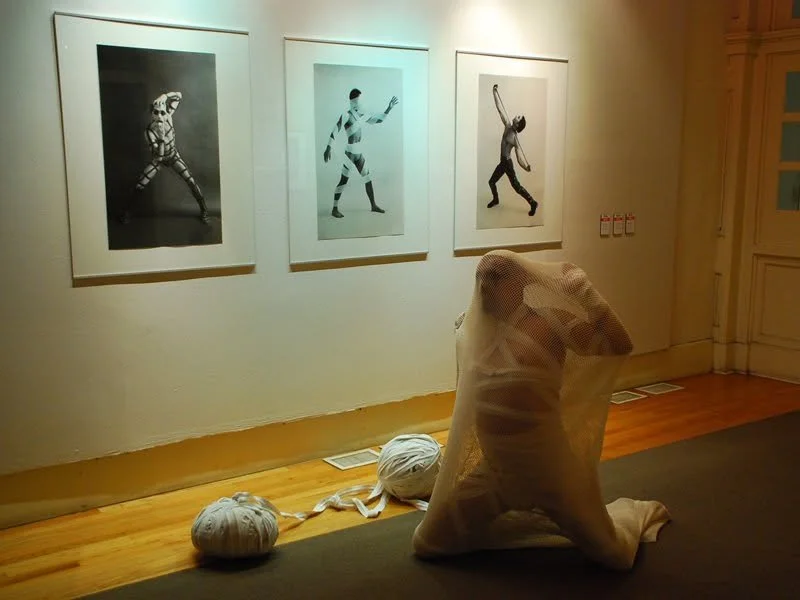
Mexicali,2004
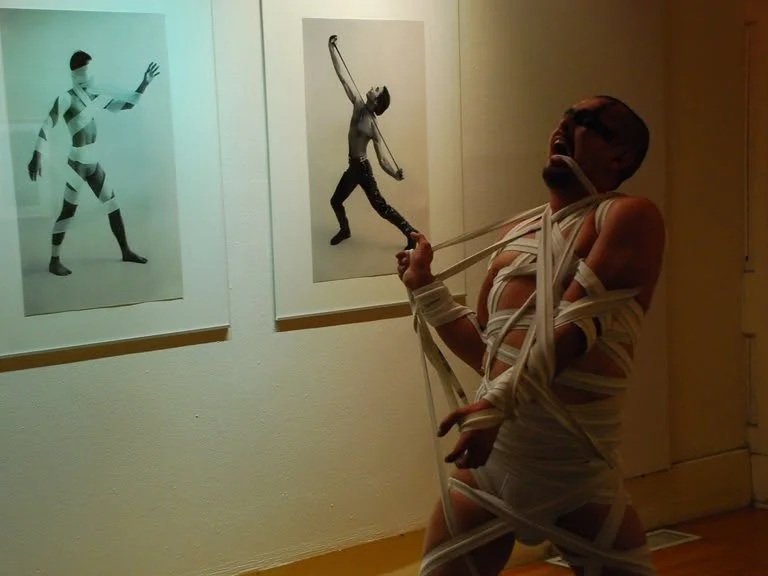
In 2005, I took a class at CEART Mexicali called Theater in Alternative Spaces, led by María Morett. The premise fascinated me: How can fiction transform someone’s vital space? For my final project, I decided to take the idea one step further. I wanted to create a fictional story and convince the audience that what they were experiencing was an interpretation of actual events.
So I wrote the story and called my actor friends. There was only one small problem: we had no theater. Actually, there were several problems. We had no production budget, no sophisticated lighting equipment, no scenic shop, and no institutional infrastructure. What we had was an idea.
A dear friend allowed me to use an old, abandoned house that was scheduled to be demolished and rebuilt. It seemed perfect. If the story happened inside a house, why build a house onstage when we could simply make the house itself the stage? I financed the project with my paycheck from teaching at Colegio CIDEA, and from there we began working with whatever we could find.
We found old beds and furniture to finish the rooms. I asked a DJ friend to help mix sounds. We researched makeup recipes and used ordinary light bulbs covered with fabric and plastic to create texture and color. Every limitation required another creative decision. Instead of asking, What are we missing? we learned to ask, What can we do with what we have?
Years later, I encountered a word that helped me understand this instinct differently: rasquachismo. Luis Valdez, founder of El Teatro Campesino, used rascuache in describing Chicano theater—placing the humble, makeshift, comic, communal, and profoundly human within the theatrical vocabulary itself.¹ I would not have used that language to describe what we were doing in Mexicali in 2005, nor do I want to retroactively place our work inside a tradition to which it did not explicitly claim to belong. But I recognize the impulse: what is available is not an embarrassment to disguise. It can become the material from which the theatrical language emerges.
The final assignment was supposed to run for a weekend. Instead, it ran for more than six months, six days a week, with multiple performances a day. Eventually, audiences were making reservations weeks in advance, and lines stretched nearly around the block. What began as a class assignment had become something none of us had anticipated.
Then something even stranger happened: the fiction escaped the performance. Years later, I could search online and find versions of the story described as a local legend, as though the events we had invented had somehow always belonged to the city. I did not have the language for it at the time, but that experience established something fundamental in the way I would create for the rest of my life: resources are not the beginning of an artistic idea; imagination is. It also taught me that through collaboration, community can make an idea much larger than the person who first imagined it.
Then Someone Gave Me $500
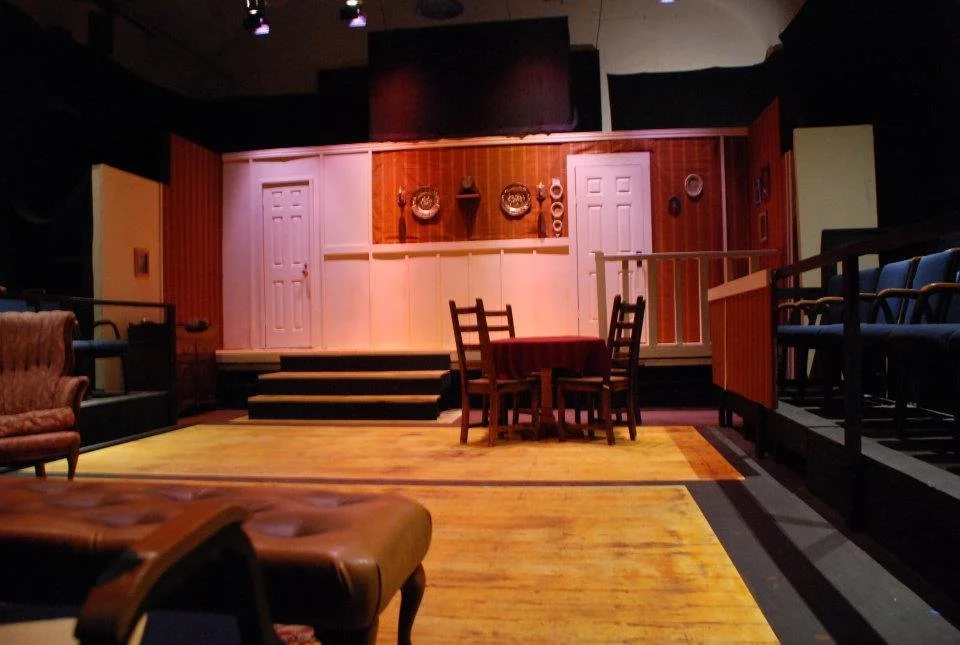
When I arrived in the United States, one of my early opportunities was designing The Underpants by Steve Martin for Custom Made Theatre Company in San Francisco. I was given a $500 scenic budget, along with a thank-you and what I can only describe as a very hopeful look. Apparently, $500 was supposed to tell me something about the scale of what was possible. I had not received that message.
Instead, I looked through everything the theater had accumulated from previous productions: old scenic pieces, materials, objects, and things that had already had another life. Using what was available, I transformed the black box into a house from the 1910s. What surprised me was not that I had done it. What surprised me was their surprise. They thought I had outdone myself; I thought I had done the job.
That moment stayed with me because it revealed a difference I had not yet understood. I had come from an artistic environment where limited resources were often simply the conditions under which we created. A small budget did not automatically mean a small idea; it meant you became more inventive. I was beginning to discover that, in some of the American theater environments I encountered, the size of the budget could quietly determine the size of the expectation.
My experience in Mexico had taught me something different: the budget tells you how much money you have. It does not necessarily tell you how much imagination you are allowed to use.
But America Gave Me Something I Needed
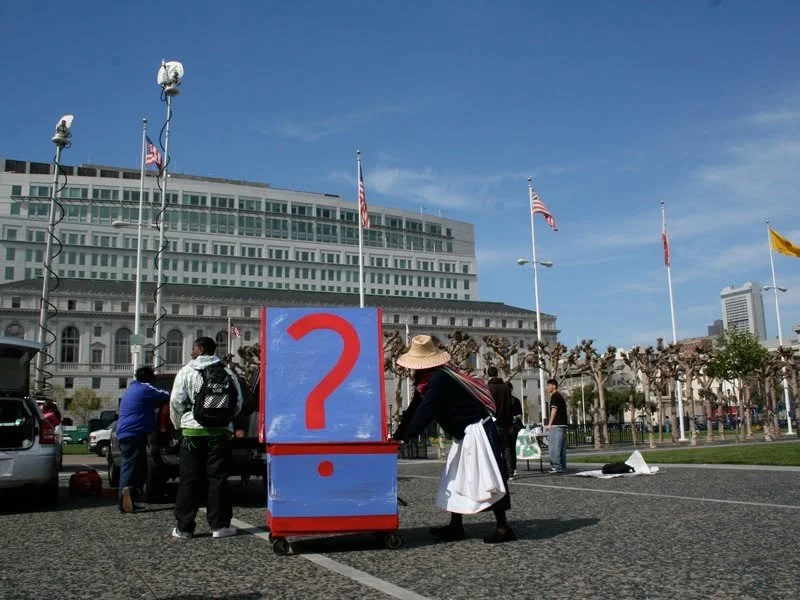
It would be easy to turn this into a romantic story about Mexican ingenuity versus American bureaucracy, but that is not my experience. American theater gave me something enormously valuable: structure.
When I became a production manager for 42nd Street Moon, a San Francisco musical theater company known for producing rarely staged musicals from the 1920s, ’30s, and ’40s, I brought the same resourcefulness I had learned in Mexico. I looked at what was available and asked what more we could do with it. Productions became more scenically ambitious, and we expanded the use of sets and props. The scale of the productions grew, and the company eventually had to address those changing production conditions within its agreements with Actors’ Equity Association.
Yet while I was helping the organization expand what could physically appear onstage, the organization was teaching me something in return. I learned how to build a production itinerary: dates, deadlines, schedules, deliverables, departments, responsibilities, and dependencies. Suddenly, all that creative energy I had developed in Mexico had a structure around it. More importantly, I discovered that structure did not diminish creativity; it could make creativity repeatable.
That was transformative for me. The production documents I use today are far more elaborate, but their DNA comes from what I learned during that period. Those systems eventually influenced how I worked not only as a production manager but also as a director, producer, educator, and actor.
Mexico had taught me to find a way. The United States began teaching me to build a system so I did not have to reinvent the way every time. I needed both.
“I Thought You Were an Actor”
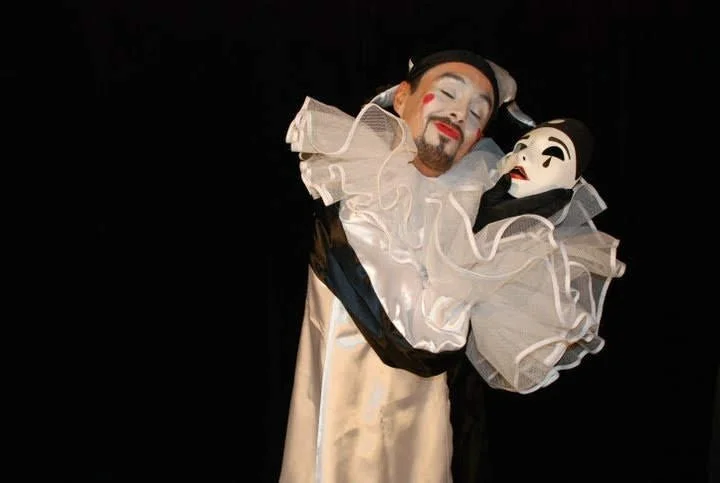
There was another difference I began noticing as I established myself in the United States: labels. When I arrived in San Francisco, I auditioned at New Conservatory Theatre Center and brought with me something I had not fully recognized as training—years of saying yes.
In Mexico, if someone asked whether I could do something, my instinct was usually to say yes and then, if necessary, think, Now I better figure out how to do it. I had performed in clubs, headlined shows, done fire juggling, puppetry, and physical comedy, and been selected to perform teatro de carpa for a government-sponsored annual fair. Some skills came through formal instruction; others came through observation, experimentation, necessity, and practice.
Somewhere along the way, I had even developed my own clowning vocabulary almost accidentally.
When I walked into auditions in San Francisco, I was not thinking very much about whether all those experiences belonged on the same résumé. They belonged in my body. That physicality helped me land two seasons of Theater for Young Audiences productions at NCTC. What Mexico had taught me was not to be afraid of not knowing. You try, you fail, you practice, you learn, and you do it again.
As I began working more in the United States, however, I repeatedly encountered versions of the same question: “I thought you were an actor.” Then it might be, “I thought you were a designer,” or “You’re a director too?” or “Wait—you do production?” The expectation that I should identify primarily as one kind of theater professional was foreign to me. For perhaps the first five or ten years of my American career, I felt people trying to locate the correct box for me: actor, designer, director, technical director, production manager, educator. Pick one.
But my artistic life had not developed that way. I had not collected disciplines because I was trying to build an impressive résumé; I had learned them because making theater required them. If something needed to be built, I learned to build. If something needed to be performed, I performed. If somebody needed to organize the production, I organized. If I did not know how to do something, I found someone who did, watched, asked questions, practiced, and tried again.
Years later, Mexican performance artist Violeta Luna would give me another way to think about that resistance to categories. Luna describes her own practice as “performative-theater,” a hybrid or mestiza form combining theater, performance, live music, ritual, video, and other elements. Her interest lies specifically in crossing aesthetic and conceptual borders rather than protecting the separation between disciplines.² Her language resonates with me because what initially made me difficult to label in the United States eventually became one of the greatest strengths of my artistic practice. Perhaps the problem was never that I occupied too many categories. Perhaps I had learned to create by moving between them.
Two Theatrical Languages
There is a temptation when talking about theater in Mexico and the United States to turn the conversation into a competition: Which country has better actors? Where is the training stronger? Where is theater more professional? Where is there more artistic freedom? Where are the opportunities?
I do not find those questions very useful anymore because I know too much about both places to believe the answers are simple. There are American artists creating extraordinary work with almost no resources and Mexican institutions with formidable structures. There are bureaucracies on both sides of the border, just as there are fearless performers, brilliant teachers, difficult institutions, generous collaborators, impossible budgets, and exhausted producers everywhere. What changes is the context, and context changes the artist.
American theater taught me the extraordinary value of structure. Mexican theater taught me the extraordinary value of possibility. Neither quality belongs exclusively to either country, but I experienced their emphasis differently. Eventually, I realized that I did not want to choose between them.
I wanted to work in the space where they collided.
I Returned to Mexico as a Different Artist
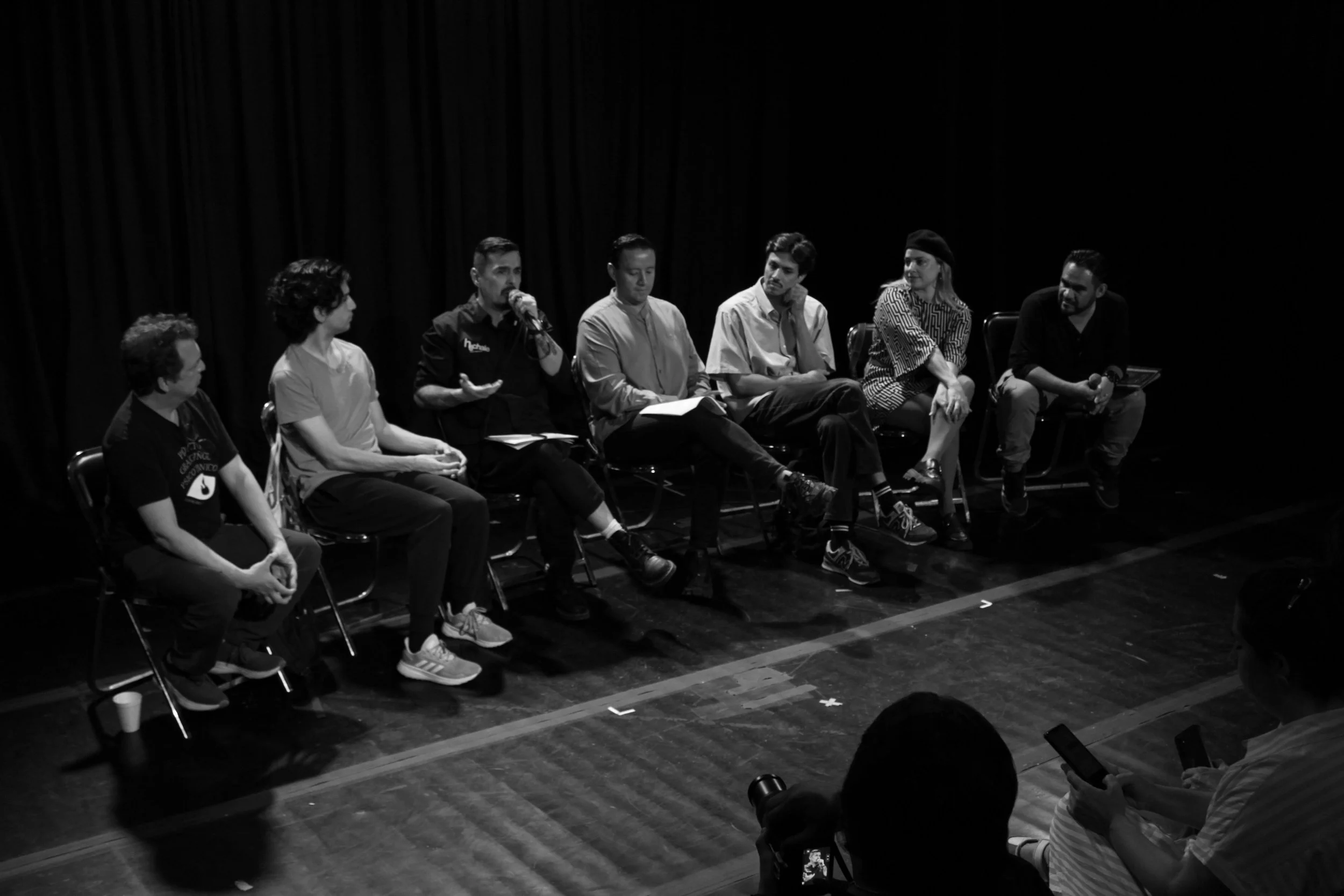
When I began creating significantly in Mexico again, I was not returning as the young theater-maker who had left Mexicali. I brought decades of American theater with me: the educator, the production manager, the technical director, the designer, the actor, and the director. And, yes, I brought the person who now makes a spreadsheet for practically everything.
Mexico, however, began changing me again. I found myself returning to the instincts I had developed decades earlier while applying the structures I had learned in the United States.
Imagination met infrastructure; resourcefulness met planning; risk met responsibility. I was no longer interested in reproducing one country’s theater culture inside the other. I became fascinated by what happened between them.
What happens when an American actor accustomed to one rehearsal culture works with Mexican artists trained in another? What happens when artists with different relationships to text, body, hierarchy, emotion, space, and authority enter the same room? Perhaps most interestingly, what happens when nobody is entirely at home?
I know something about that feeling.
The Border Is Not Just Geography
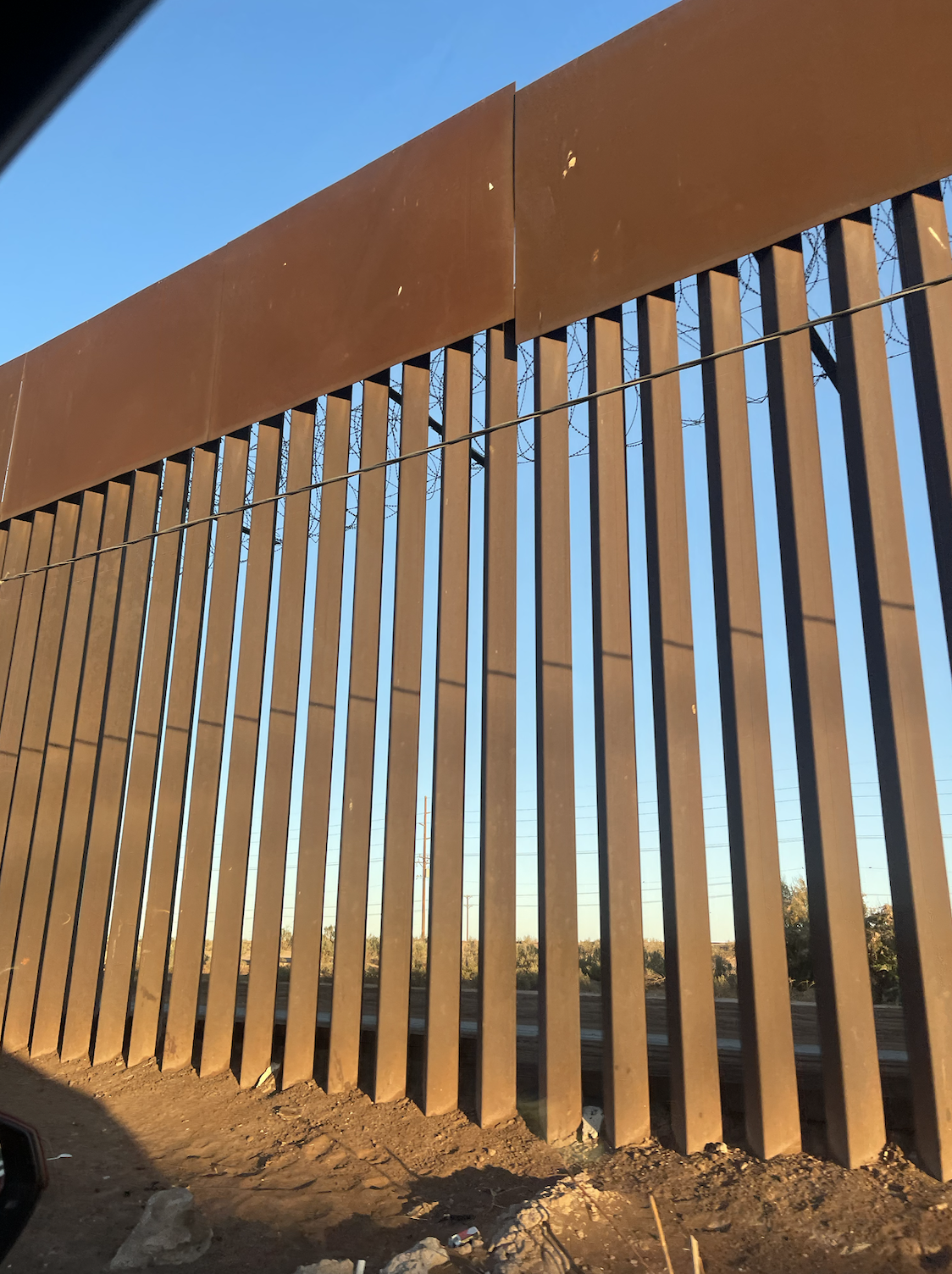
For those of us who have lived between Mexico and the United States, crossing a border is not an abstract artistic metaphor. It is physical: standing in line, presenting passports, answering questions, and switching languages halfway through a thought. It is also the strange realization that one version of you appears on one side of the border and another becomes necessary on the other.
Guillermo Gómez-Peña has spent much of his artistic life investigating precisely this unstable territory. Born in Mexico City and later working extensively in the United States, including San Francisco, Gómez-Peña writes about hybrid identities not as fixed combinations but as identities continually reshaped through movement across cultures, communities, languages, and nations.³ His work refuses the idea that cultural contradiction must be resolved before an artist can speak. Instead, contradiction itself can become artistic territory.
That distinction matters to me. For years, I thought that switching between cultures was simply adaptation. Now I understand it as part of my artistic practice. I do not want to choose between the Mexican artist and the American-trained theater professional because neither exists independently anymore. My work comes from the friction between them.
Mexico gave me the instinct to ask, What can we make with what we have? The United States taught me to follow that question with another: What structure will allow us to make it well—and make it again? After almost thirty years, those two questions have led to a third:
What happens if we bring other artists into that exchange?
Eventually, I Stopped Crossing Alone
For years, moving between Mexico and the United States was simply part of my life. Eventually, however, I began wondering whether the crossing itself could become part of the artistic process. What would happen if I brought artists with me?
I did not want to bring them as tourists—to arrive in Mexico City, take a workshop, eat some tacos, photograph Frida Kahlo’s house, and fly home believing they had now “experienced Mexico.” I wanted something more complicated. I wanted artists to encounter another artistic ecosystem and to remain in it long enough for some of their assumptions to become unsettled.
In this sense, I recognize something of my own journey in Gómez-Peña’s description of artists who live and work across cultural boundaries. The border artist does not merely travel from one complete world into another; the crossing produces another kind of artistic knowledge.
Gómez-Peña has described such artists as cultural intermediaries and “border translators,” people capable of moving among communities rather than belonging exclusively to one fixed cultural position.⁴
That question eventually contributed to programs like Awaken Your Artist, Jacaranda, Puentes, fellowships, workshops, and artist residencies. The programs are different, but underneath them is the same question I have been asking myself for years:
What becomes possible when an artist crosses a border with the intention of being changed by what they find there?
I have experienced that transformation myself, more than once.
Building the Place I Once Needed
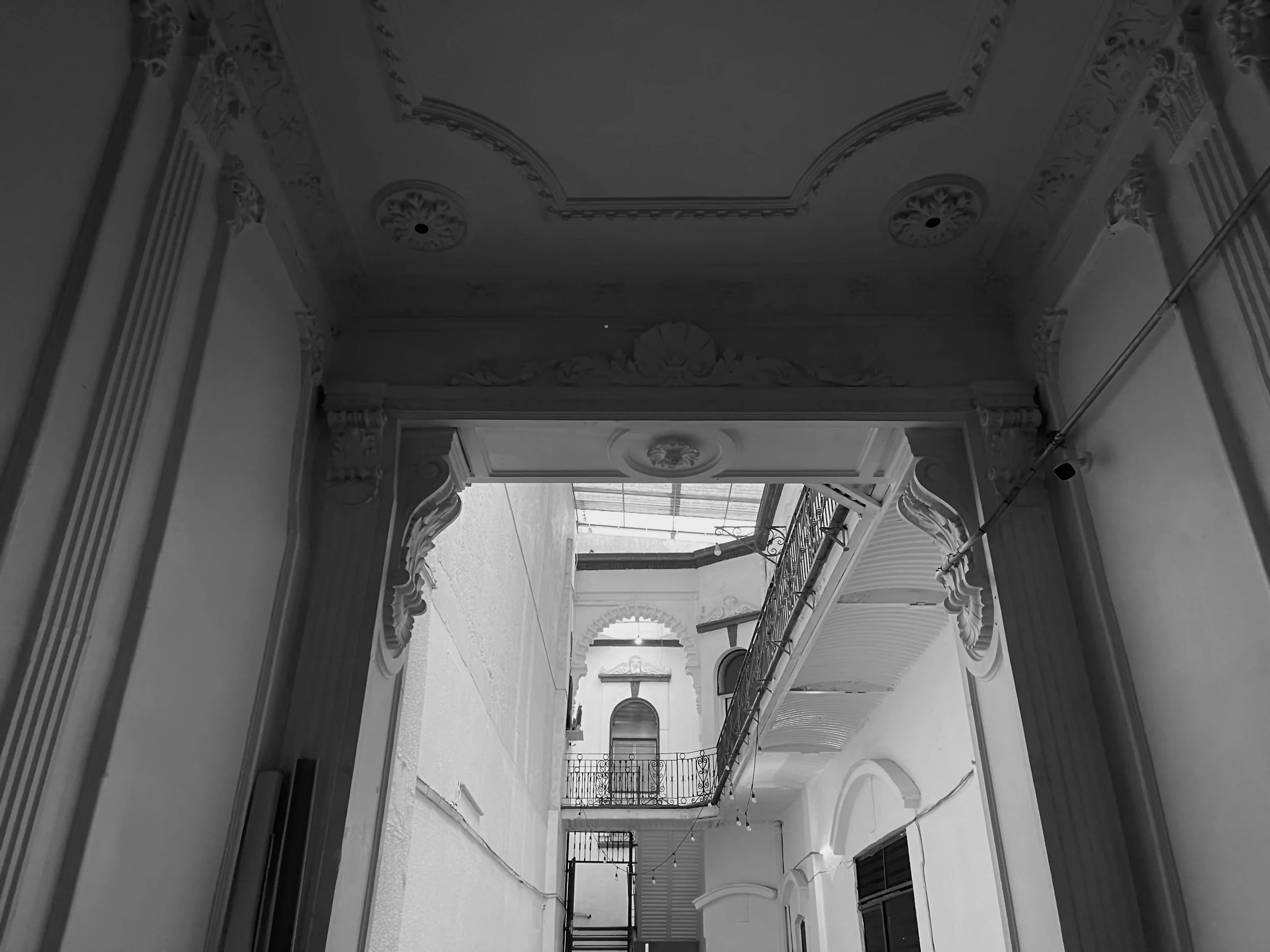
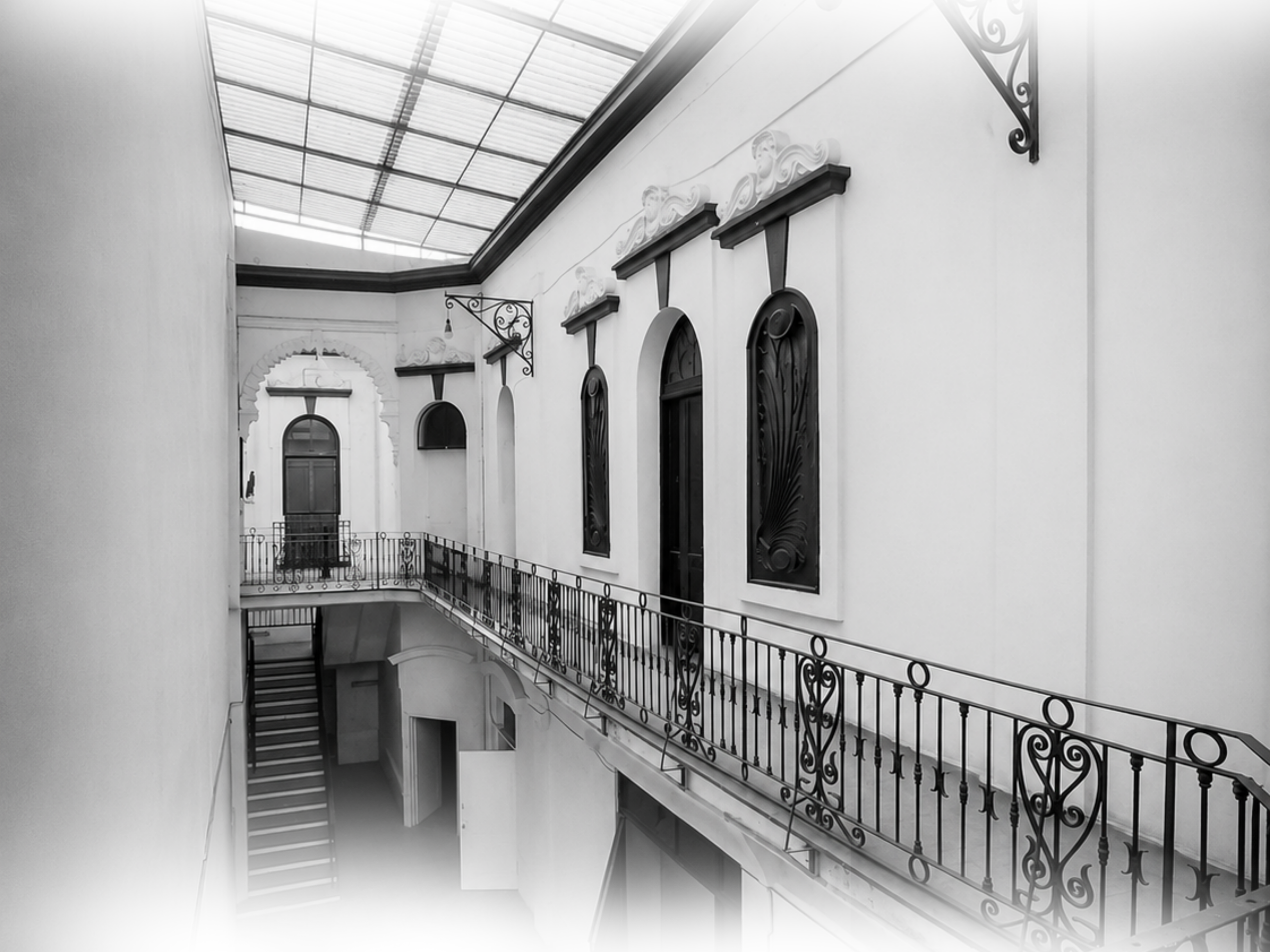
Now, almost thirty years after I first began making theater, I find myself at another threshold.
This time, instead of crossing the border looking for the next room, I am building one.
Casa Hechale, a Mexico City cultural centre for theater, performance, dramaturgy, and international artistic exchange, is the result of everything that came before it: Mexicali and San Francisco; the abandoned house and the $500 set; the auditions and production schedules; the classrooms and black boxes; the touring; the shows that worked and the shows that did not; and, above all, the people who looked at an impossible idea and said, Let’s try it.
Casa Hechale is physically located in Mexico City, but I do not think of it as belonging exclusively to one theatrical tradition. Nor do I want it to become an American artistic model transplanted into Mexico. Either possibility would miss the point.
I am interested in the space between: between Mexico and the United States, actor and director, teacher and student, local artist and visiting artist, training and experimentation, structure and chaos, and having the resources you think you need and discovering what you can create without them.
I spent years wondering which box I was supposed to fit into.
Eventually, I realized I could build a house instead.
And perhaps that is the real reason Casa Hechale exists: not to erase the border or pretend our artistic cultures are the same, but to create a place where we can cross between them—and pay attention to who we become along the way.
More about Casa Hechale:
https://www.casahechale.com
Hechale Productions:
https://www.hechaleproductions.com
About the Author
Hector Zavala is a Mexican-American theatre-maker, director, producer, and educator whose practice has developed between Mexico and the San Francisco Bay Area for nearly three decades. He is the founder of Hechale Productions and Centro Cultural Casa Hechale in Mexico City.
Endnotes
1. Luis Valdez, “Notes on Chicano Theatre,” in Luis Valdez—Early Works: Actos, Bernabé and Pensamiento Serpentino(Houston: Arte Público Press, 1990), 6–10. Valdez famously describes Chicano theater as “rascuache,” locating theatrical value in forms that can be humble, popular, comic, communal, and culturally specific.
2. Violeta Luna, “Artist Statement,” Violeta Luna, accessed September 27, 2026. Luna describes her practice as “performative-theater,” a “hybrid/mestiza form” combining multiple creative elements and allowing for “the crossing of esthetic and conceptual borders.”
3. Guillermo Gómez-Peña, The New World Border: Prophecies, Poems, and Loqueras for the End of the Century (San Francisco: City Lights, 1996). Gómez-Peña’s essays and performance texts develop a conception of hybrid identity shaped by movement among cultures, communities, countries, and languages.
4. Gómez-Peña, The New World Border. In his writing on transborder culture, Gómez-Peña characterizes artists working across these territories as cultural intermediaries—including “border translators”—whose practices negotiate multiple communities and cultural positions.
